What is the Habituation Effect in Pinger Devices? DOLPINGER's Adaptive Frequency Approach

One of the most important issues that determine the success of acoustic deterrent (pinger) devices is their ability to maintain their effect over time. Many fishermen and fish farm owners say that the standard pingers they buy keep dolphins away in the first weeks, but lose their effect over time. In the scientific literature, this situation is called the "habituation" effect.
Dinner bell effect
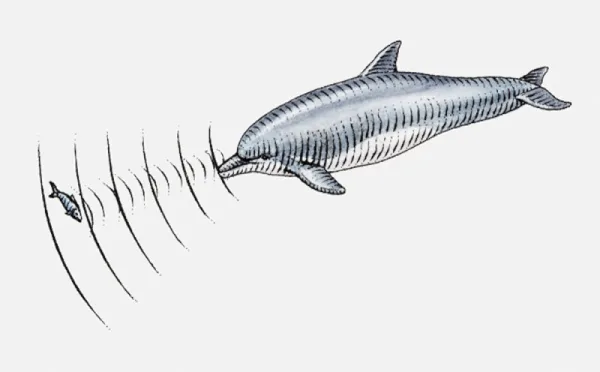
Dolphins have highly developed intelligence and learning ability. If a pinger constantly emits sound underwater at the same frequency, rhythm and constant tone, marine mammals may take this sound for granted over time. Dolphins that realize that the sound does not harm them may begin to perceive this constant sound not as a warning to be avoided, but as a sign that means "there is a fishing net or fish farm here", that is, a "dinner bell". This is one of the main reasons why fixed frequency devices lose their effectiveness in the long run.
DOLPINGER's adaptive frequency approach
Developed with domestic R&D, DOLPINGER uses an AI-powered adaptive frequency algorithm designed to minimize the habituation effect. The device does not produce a constant sound underwater; it emits constantly changing, unpredictable acoustic signals over a wide range from 5 kHz to 400 kHz.
- Unpredictable signal sequences: The algorithm constantly changes signal sequences; this makes it difficult for dolphins to get used to sound.
- Long-term effectiveness: Because the signal is constantly changing, DOLPINGER is designed to maintain its effect for longer periods of time than pingers with fixed sounds.
- Wide frequency range: Signals are spread in the range of 5–400 kHz, which can be heard by species such as tırtak, afalina and mutur, which are the most damaging to nets in the seas of our region.
Conclusion
With pinger technology, high sound power alone is not enough; how the signal changes is just as important as the power. When proper placement, regular maintenance, and variable signal are used together, it becomes more consistent for dolphins to stay away from the net. No pinger guarantees a definitive result in all conditions; however, reducing the risk of habituation is one of the most important steps to long-term success.